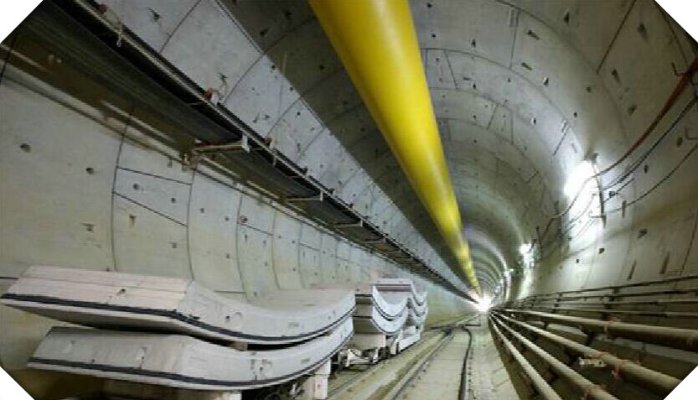
Product Overview
The safe operation of highway and railway tunnels is crucial in modern transportation infrastructure.
Traditional tunnel ventilation often relies on heavy metal or fiberglass ducts. These materials are not only heavy and complex to install, but also susceptible to damage from vehicle impacts and chemical corrosion in the relatively enclosed and vibrating environment of a tunnel. Addressing this pain point, we have launched flexible ventilation ducts specifically designed for highway and railway tunnels. It completely overturns the limitations of traditional rigid ducts.
Why Choose PVC-Coated Flexible Ducts?
High Flame Retardancy: In the event of a fire in a tunnel, the ventilation system is key to smoke extraction. Our duct fabric has passed rigorous flame retardant testing, meets national tunnel fire safety standards, is not easily combustible, and maintains structural integrity at high temperatures, effectively preventing the spread of fire and buying valuable time for evacuation and rescue.
Corrosion Resistance and Aging Resistance: Tunnels often contain vehicle exhaust, oil stains, and a humid environment. The PVC coating has excellent chemical corrosion resistance, effectively resisting the erosion of acids, alkalis, and exhaust gases. Meanwhile, the fabric incorporates UV stabilizers, ensuring long-term performance without brittleness or cracking, even in areas with direct sunlight at tunnel entrances.
Antistatic Treatment (Optional): For the complex electrical environment of railway tunnels, we offer antistatic models to prevent safety hazards caused by static electricity buildup.
High Tensile Strength and Tear Resistance: The built-in high-density mesh polyester base fabric allows the duct to withstand the enormous positive or negative pressure of tunnel ventilation systems, maintaining its shape and preventing bulging over long-term operation.
Balance of Impact Resistance and Flexibility: Compared to metal ducts, which can suffer severe damage or even injury from fragments after a vehicle impact, flexible ducts offer excellent elasticity. They can recover their original shape even from minor impacts, and even under severe stress, they will not produce sharp fragments, significantly improving traffic safety within tunnels.
Application Scenarios
Railway Tunnels: Used to exhaust diesel locomotive exhaust, provide fresh air for construction and maintenance personnel, and regulate temperature and humidity within tunnels.
Highway Tunnels: Daily ventilation and air exchange, exhaust of vehicle exhaust; dedicated smoke extraction channels in fire mode.
Subway tunnels: Flexible connection sections between the piston air and smoke exhaust systems in the tunnel sections reduce vibration transmission.
Tunnel construction: Used during tunnel excavation (TBM or drill-and-blast method) to force airflow to the tunnel face and dilute harmful gases.